Frequently Asked Questions

We offer a written health guarantee contract that goes above what most breeders provide. It shows how strongly we stand behind our puppies. With years of experience, we understand what each puppy needs and we never rush them into their new homes. They stay with us until they are eating well, holding weight, and fully ready for separation.

We use high quality vaccines and dewormers, and we make sure you have the education you need for a smooth transition from our home to yours. Please see our Puppy Supplies page for a simple checklist of what to have ready.

We care deeply about the emotional and physical health of our animals. Our goal is to raise healthy, happy, well socialized puppies. Many families who buy a puppy from us return later for a second one, and most recommend us to their friends and relatives.

*We are local to Georgia families who want a small indoor companion.

*We have well over 100 reviews and references on our social media and website from real families from all over the United States, not just Georgia. See our Review page.

Start by clicking our How to Avoid Scams page. It explains the red flags you should watch for with any breeder.

*We will never ask you to wire money or send full payment before you see your puppy. We only accept a small deposit, up to $200, to hold a puppy in advance. Deposits are optional.

*We have well over 100 reviews and references on our website and social media from real families all over the United States. You can read many of them on our Reviews page.

*We provide a written contract with a health guarantee and a receipt for every deposit.

We are a real, local business in Marietta, Georgia, and we are happy to answer any questions before you decide.

The easiest way to get a puppy is to contact me directly. Call me, Justin, at 770-527-7295 (preferred), or send a text. You can also email me through the website if that is easier.

After any text or email, I will call you so we can talk through the puppy, price, and timing before you decide.

I specialize in small indoor companion breeds. I raise Yorkshire Terriers, Morkies, Maltese, and Shih Tzu.

These breeds are known for their sweet personalities, soft coats, and easy size for apartment or home living. They do well with families, other pets, and many first time dog owners.

Most puppies go to their new homes between nine and twelve weeks old. By that time they are eating well, have solid stools, and are up to date on age appropriate vaccinations.

Every puppy is different, so they stay here until they are fully ready. My first concern is the puppy’s welfare. I want the move home to be smooth for both you and your puppy.

No, these breeds are not as fragile as many people think. Lots of our families have children and larger dogs, and everything works out fine.

With basic common sense, gentle handling, and proper supervision, your puppy will be safe around kids and other pets.

We put together a simple list so you do not have to guess. Visit our Puppy Supplies page to see the food, crate, bedding, and basic items we recommend.

I get this question a lot. I do not have a strong preference, because males and females are equally smart and I have not seen a difference in potty training.

Some people worry about female cycles or males marking. If you have your puppy spayed or neutered around six months of age, you should not deal with either issue.

Yes, you are welcome to come see our puppies before placing a deposit. We only show litters after their second vaccination and once they are over eight weeks old so they have a bit more immune protection.

Early deposits are optional, not required. We are happy to talk with you first and answer questions before you commit.

Call me at 770-527-7295 to make sure the puppy you want is still available. We will go over the whole process so you feel comfortable before you send anything.

Please review my Reviews page on the website and read what past families have said. After that, you are welcome to place a deposit, but please make sure you read my sales agreement so you understand how everything works.

We require that you take your new puppy to your veterinarian within four days of pickup for a full wellness check and a fecal exam.

No vaccinations should be given at this visit unless I recommend it, because the move and new environment are already stressful. Shots can temporarily weaken the immune system. Your puppy’s health record will show the date of the next recommended vaccination so your vet can stay on schedule.

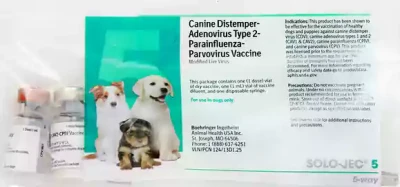
Yes. Your puppy has been dewormed on a regular schedule and is up to date on age appropriate shots. We use a quality five way vaccine for early protection and a trusted broad spectrum dewormer.

You will get a full health and shot record to take to your veterinarian for the next rounds.

FAQ Image FAQ Image

This is one of the hardest questions I get every day, because no one can guarantee the exact adult size of a puppy.

I list the parents’ weights on each puppy’s page, but using parent size alone is not perfect. Genetics can pull from grandparents and even great grandparents.

With many years of experience raising these little ones, I can give you my best educated estimate of what size your puppy should be as an adult, but it will always be an estimate.

Nausea can happen, so do not be alarmed. Puppies often get motion sickness in the car, especially on their first few rides.

Bring a towel, a soft blanket, and some baby wipes just in case. Try not to feed a big meal right before a long drive. As your puppy grows and rides more often, this usually fades and they become great travelers.

No worries. All of our puppies are non shedding, considered hypoallergenic, and have very little body oil or dander compared to many larger breeds.

Many families with mild allergies do very well with these breeds, especially when the puppies are kept clean and groomed on a regular schedule.

Females:
Spaying helps your dog live longer and stay healthier. It reduces the risk of uterine infections and lowers the risk of breast cancer. Spaying before the first heat gives the strongest protection. There are no heat cycles, no bleeding, and no surprise litters. It also helps reduce unwanted litters and pet overpopulation.

Males:
Neutering before six months of age prevents testicular cancer. It can reduce marking and spraying, and many males behave better after the procedure. It prevents unwanted litters and lowers the urge to roam for a mate, which cuts the risk of fights and traffic injuries. It also helps reduce pet overpopulation.

Spaying or neutering does not cause your pet to gain weight. Weight gain comes from too much food and not enough exercise.

Puppy pad training

Puppy pad training works best when you keep the same routine every day. Be verbal with your puppy and use the same command each time. The more your puppy hears it, the faster he learns.

There are several ways to house train a puppy. One easy option is teaching him to use a training pad. It works like the old newspaper method, but the pad is made for the job and absorbs better.

Choosing where to put the pads

Always keep a pad inside your puppy playpen or crate area. Place a pad in the spot you want your puppy to use. A smaller, controlled space makes learning much easier. If your home has large open rooms, place a second pad in whatever room your puppy is roaming. Rooms with tile or linoleum are perfect because they are easy to clean if there is an accident.

Watch for signs

Stay with your puppy and watch for signs that he needs to go. The moment you see it, lead him to the pad and use a command such as “potty.” This helps him link the word with the action. When he uses the pad, praise him right away so he knows he did the right thing.

Put your puppy on a schedule

Even if he understands the pad, he still needs reminders at first. A steady schedule helps a lot. Take your puppy to the pad first thing in the morning, right after meals, after naps, after play sessions, and before bed at night. Puppies usually need to potty at those times.

Watch for accidents

Your puppy will have a few accidents. It is normal. If you catch him in the act, clap your hands or make a quick noise to interrupt him and move him to the pad. Encourage him to finish there, then praise him.

If you find an accident after it happened, just clean it and keep going. Puppies forget fast, and punishment after the fact only confuses them. Use it as a reminder to watch more closely next time.

© Copyright Justin's T-Cup & Toy Puppy's
All Rights Reserved
Another Fine Site by Pro Star Web Development